
Animal welfare education
Street Dogs of India: Neighbours, Not Strangers
Understand community dogs through their needs, behaviour and place in neighbourhood life.
Prepared for Animora Foundation · Edition: 18 October 2026 · Independent veterinary/legal review pending.
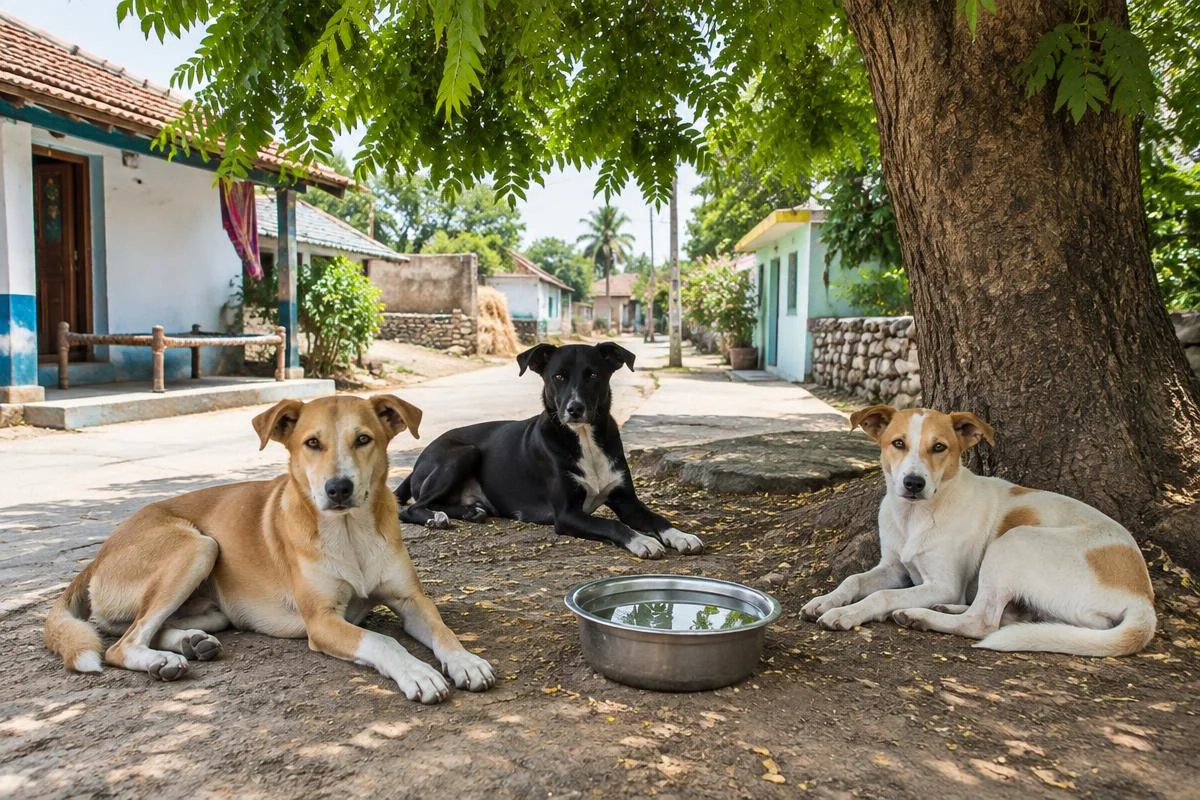
AI-generated cover, not a photograph of an Animora Foundation case.
A dog’s familiar world
Community dogs learn the places where they find food, water, shade and familiar people. A dog resting in a lane is not necessarily lost or abandoned. Observe from a distance before intervening and ask established local carers whether the dog is known. Do not assume every dog needs relocation or immediate adoption.
Behaviour depends on health, past experience and the situation. Fear, pain, protection of puppies or competition around food can change how an animal responds. Leave an escape route, avoid crowding and keep children from approaching unfamiliar dogs unsupervised. Breed or appearance alone cannot establish whether a dog is safe to touch.
Coexistence begins with practical care
Clean water, considerate feeding and access to veterinary attention are more useful than exaggerated claims about dogs being either harmless or dangerous. Keep feeding and walking routes clear. Coordinate with residents and the relevant local authority about designated arrangements rather than deciding a disputed location alone.
Never chase, beat or frighten dogs to clear an area. Where there is a repeated safety concern, document the situation without approaching the animal and seek qualified local help. Population management and public-health responses belong with authorised agencies and veterinary professionals.
A neighbourhood checklist
Learn which dogs are already known to carers; note changes in appetite, movement or visible wounds without handling them. Keep drinking-water containers clean. Secure household waste so animals do not need to scavenge around dangerous rubbish.
Share factual observations with local carers, report an injured animal through appropriate channels and support documented veterinary-led care. Do not publish exact locations of vulnerable dogs or personal information about feeders.
Misconception: caring means taking control
Care does not mean removing every street dog, forcing interaction or making promises of a shelter place. Responsible intervention considers the animal’s welfare, community safety, applicable local instructions and available capacity. Animora Foundation reviews requests; submission is not a guarantee of rescue.
Official references & further reading
Check the latest source materials and local requirements. This guide does not replace professional diagnosis, treatment, current court orders or legal advice.