
Animal welfare education
Vaccination, Sterilisation and Public Health: Care That Works Together
Why humane population management needs veterinary expertise and accountable follow-up.
Prepared for Animora Foundation · Edition: 18 October 2026 · Independent veterinary/legal review pending.
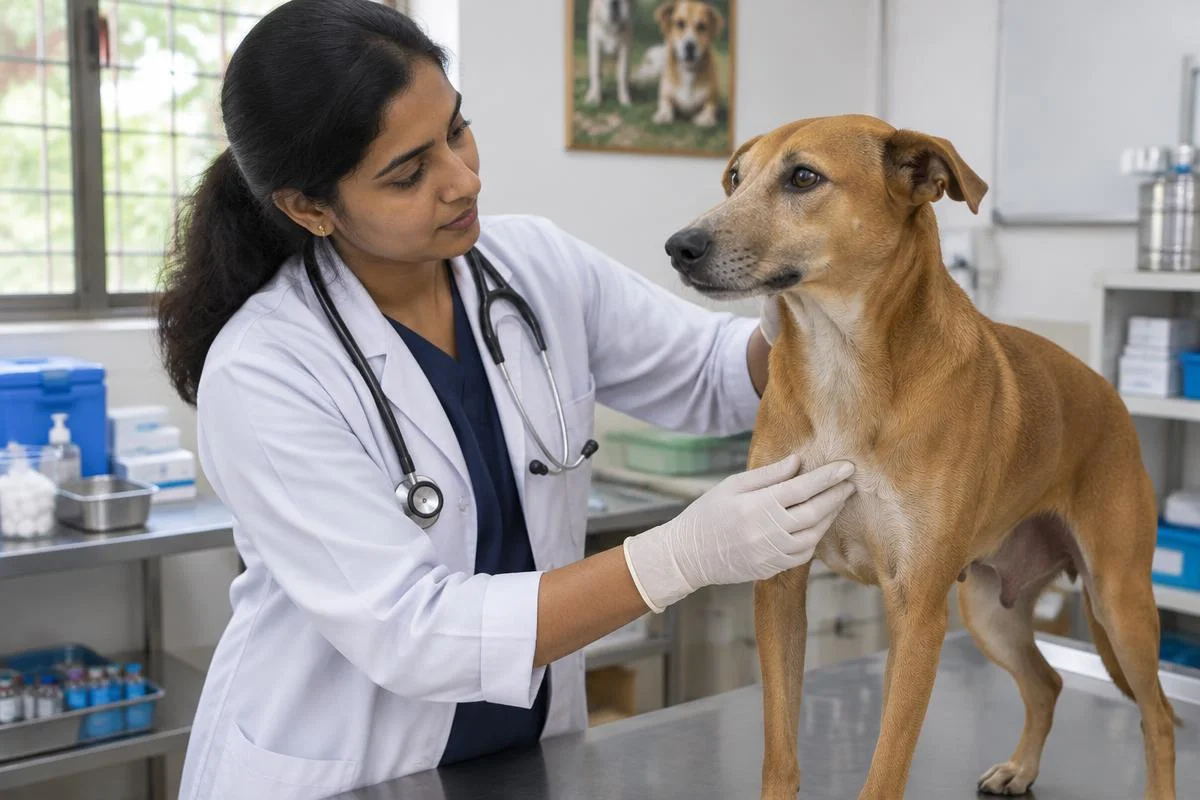
AI-generated cover, not a photograph of an Animora Foundation case.
Different interventions, different purposes
Vaccination helps prevent specific infectious diseases; sterilisation is part of humane population management. Neither replaces appropriate nutrition, clinical treatment or safe community practices. A veterinary professional determines vaccine schedules, suitability for surgery and follow-up based on the animal’s condition.
Do not assume a dog is vaccinated from its appearance or an informal claim. Records should identify the animal where possible and document the date, provider and procedure actually performed. Personal information and sensitive locations must be kept private.
Veterinary-led care is essential
Surgery requires qualified professionals, appropriate facilities, pain control and recovery monitoring. Volunteers should not undertake procedures or decide medical eligibility. Transport, observation and release or placement arrangements must follow the applicable authorised programme and current legal directions.
The Animal Birth Control Rules, 2023 provide a framework for organised programmes. Their application must be read alongside later court directions and local instructions. This article does not prescribe release, relocation or shelter rules for every setting.
Public health includes human care
Suspected rabies, unusual aggression or an unexplained serious illness should be reported to relevant professionals without risky handling. Do not diagnose rabies yourself. After a bite or possible exposure, wash promptly with soap and running water for 15 minutes and seek urgent medical assessment.
Children should learn not to disturb sleeping dogs, reach into feeding groups or approach unfamiliar animals alone. Vaccination awareness and safe interaction protect both people and animals.
Questions to ask a programme
Who is providing veterinary care? What consent, transport and recovery arrangements apply? How are dates and outcomes recorded? What happens if complications occur? A humane programme makes these responsibilities clear rather than relying on a campaign photograph as proof.
Official references & further reading
- Animal Welfare Board of India — official guidance and rules
- India Code — legislation
- National Rabies Control Programme
- Supreme Court of India — latest judgments and orders
Check the latest source materials and local requirements. This guide does not replace professional diagnosis, treatment, current court orders or legal advice.